The Civil Alliance of Kazakhstan, within the framework of the established “Adal Azamat – Belsendi Qogam” Center, provides information in the interests of NGOs and active citizens:
Regional Updates
This week, initiatives in the areas of NGO development, youth policy, environmental protection, and safety were carried out across the regions of Kazakhstan.
In Abai Region, a grant competition and Family Day events were held; in Pavlodar Region, a sports competition, meetings with young people, and an NGO Open Day took place; in Jetisu Region, youth, preventive, and environmental initiatives were organized.
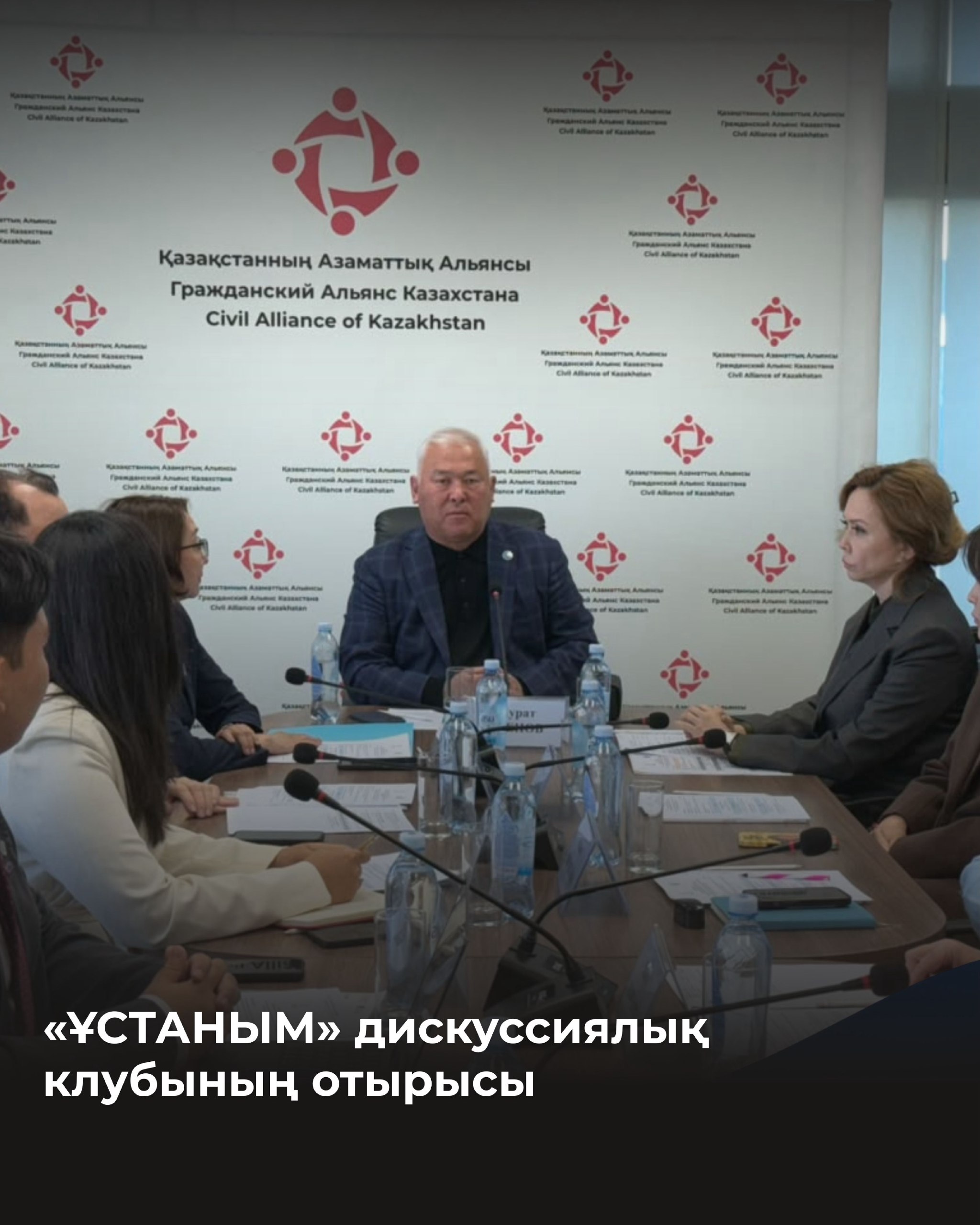
In North Kazakhstan Region, training on public procurement and a commemorative event were held; in Kyzylorda Region, a Discussion Club meeting took place; in Akmola Region, environmental monitoring and an eGov master class were conducted; in Atyrau Region, training for young people was organized.
In Karaganda Region, safety-related events were held; in Aktobe Region, volunteers were recognized; in West Kazakhstan Region, a family relay and the “ADAL AZAMAT” Open Day took place.
These initiatives are aimed at supporting local communities and promoting civic engagement.
Legislative Initiatives
NGOs working with socially vulnerable groups believe that the current legislation of the Republic of Kazakhstan does not contain a definition of the term “widow (widower),” which creates ambiguity in the application of legal provisions and the provision of social support measures.
Establishing this concept in legislation would help ensure uniform application of the law, prevent differing interpretations by government authorities, and strengthen the legal protection of widows and widowers raising minor children or full-time students under the age of 23.
These NGO initiatives will be considered during the discussion of the draft law on NGOs.
Analytics and Statistics
One of the most promising areas is the development of a tripartite partnership: government – business – NGOs.
The government establishes rules, finances priority areas, and provides infrastructure.
Business provides investment, technology, expertise, and funding.
NGOs understand social issues, work with target groups, and ensure social impact.
This creates the following model:
Government + Business + NGOs = Social Investment.
This model can be particularly effective in areas such as:
- education;
- employment;
- inclusion;
- youth policy;
- environmental protection;
- rural development;
- social entrepreneurship.