


 English
Pavlodar Region
On October 15–16, the XII Civil Forum of Kazakhstan is taking place in Astana.
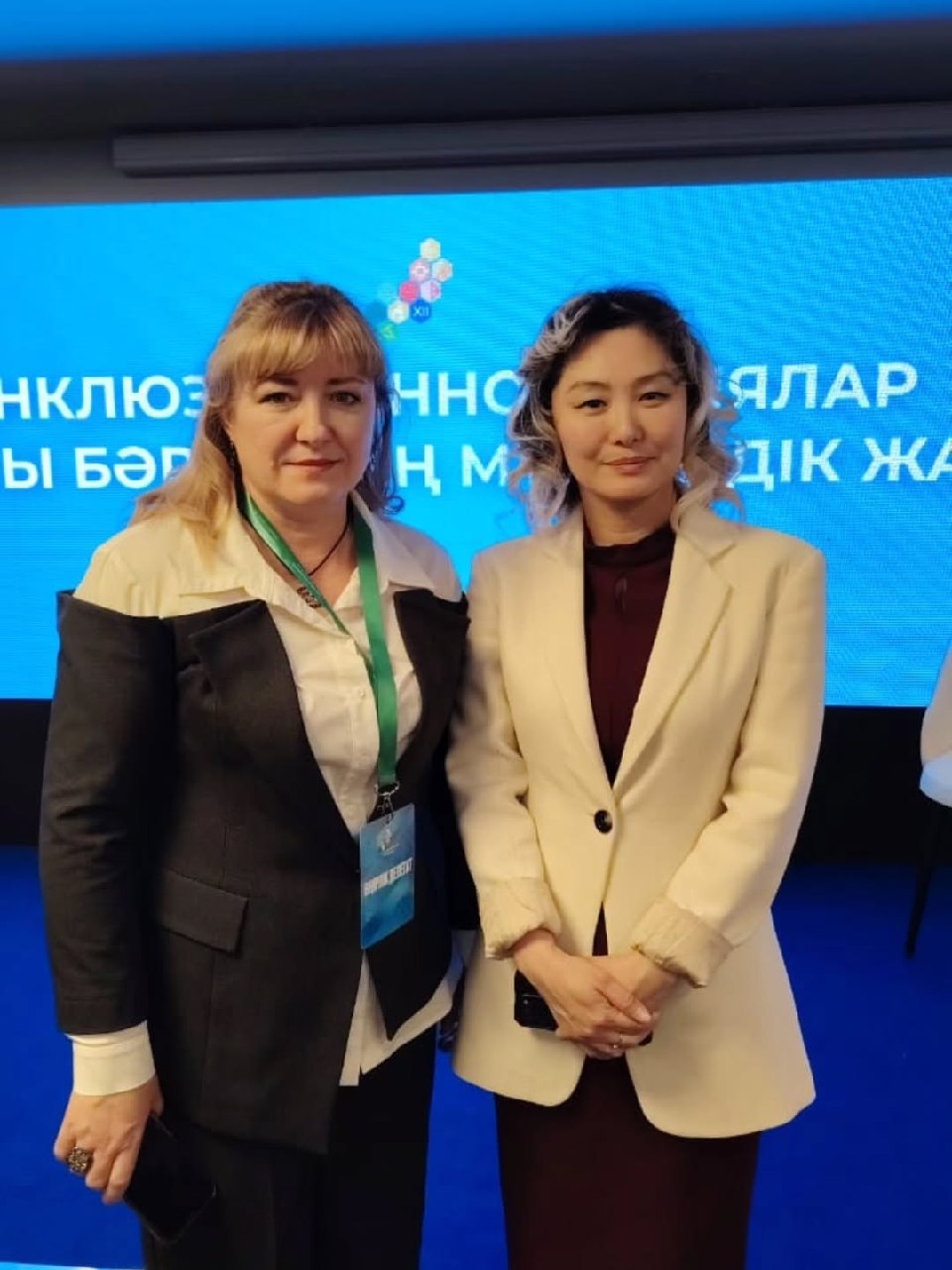
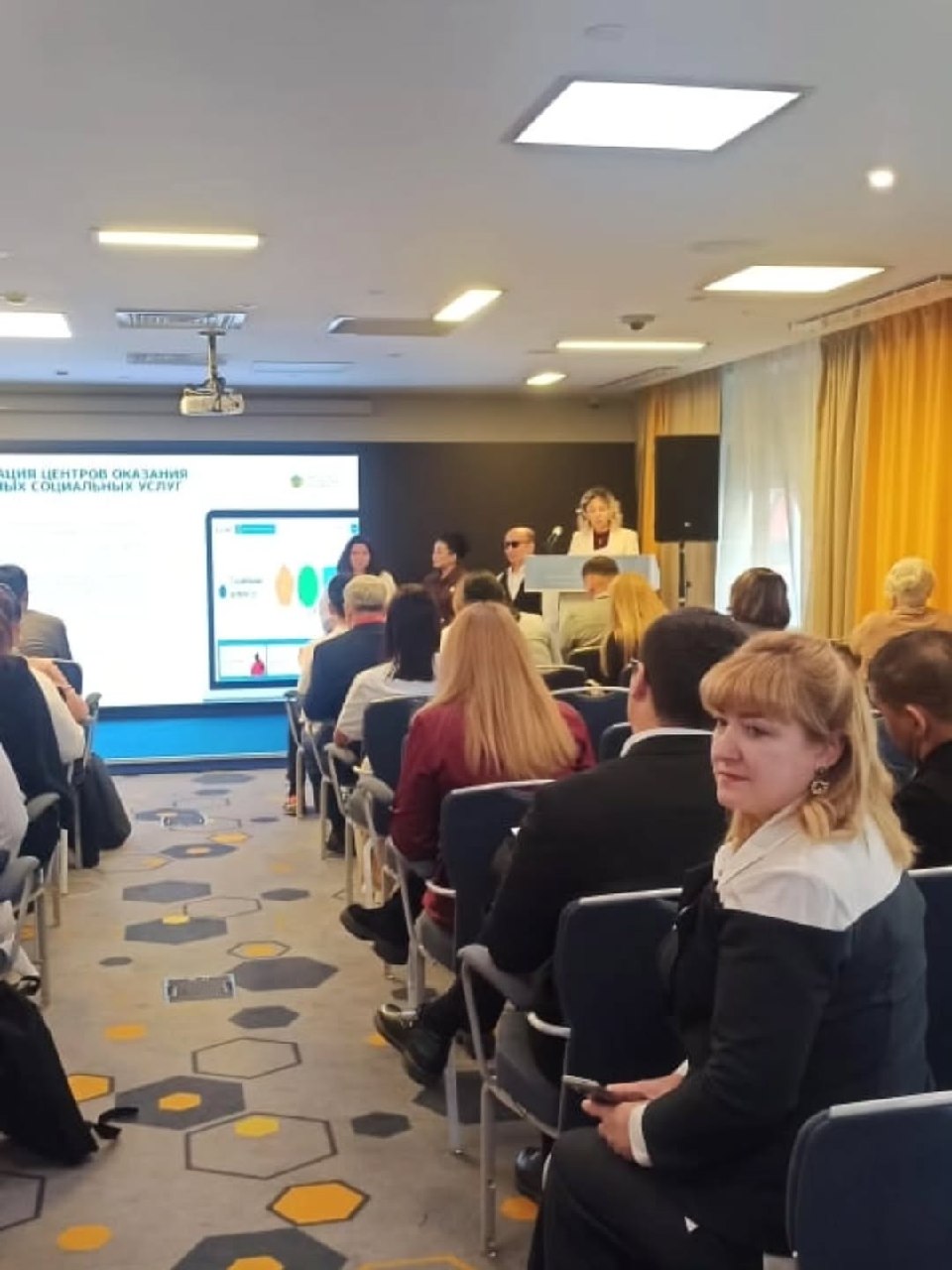
At the panel session “Inclusion: when innovations open equal opportunities for all,” Evgeniya Stelvaga, director of the “Altyn Bata” Foundation, spoke.
She raised a rarely discussed topic — what happens to young people with disabilities after they turn 18.
Currently, families raising children with mental disorders — autism, Down syndrome, intellectual disabilities — face bureaucratic “gaps.” When the child reaches 18, they are legally considered an adult, and previous allowances stop. The process of recognizing incapacity and arranging guardianship takes 4–6 months. During this period, families receive no payments or support, even though care for the child continues every day. For single parents, the allowance is often their only source of income.
Evgeniya Alexandrovna proposed amendments to the regulations to allow filing in court several months before reaching adulthood and to assign care allowances not from the date of application but from the date the disability is established. This would prevent “gaps” in payments and provide families with confidence in the future.
Another important issue raised was the licensing of centers providing special social services. Due to complex requirements, many NGOs, especially in rural areas, could not obtain licenses and were forced to close, leaving families with special needs children without support.
According to Evgeniya Stelvaga, all these issues were identified within the project supporting young people with disabilities in Pavlodar region, which has been implemented for the third consecutive year with the support of the Regional Information and Public Development Department.
Vice Minister of Labor and Social Protection of the Population Victoria Shegay emphasized that the director’s proposal is very important for the entire country and requested it in written form.
The people of Pavlodar hope that their voice will be the first step toward change, where the law sees not just papers, but the people behind them.