


 English
Astana city
Civil Alliance of Kazakhstan
The New Constitution of Kazakhstan as a Guarantee of Progressive Development and Public Well-Being
In the political life of every nation, there are periods when global transformations shape a new development paradigm that requires more flexible, modern, and effective approaches to governance. Such processes are inevitably accompanied by profound reforms that stimulate the transformation of both society and the state system as a whole. As a result, a new political reality emerges, changing the logic of state, social, and political-economic thinking.
The referendum held on March 15, 2026, on the adoption of the new Constitution of Kazakhstan became an important starting point for a new stage in the country’s development. Kazakhstan has entered a qualitatively new political phase aimed at strengthening statehood, modernizing public institutions, and improving citizens’ welfare. Therefore, this referendum can rightfully be considered one of the most significant and historic events for the Kazakh people.
Over recent years, Kazakhstan has undergone substantial economic, social, and demographic changes. These developments require the government to respond more efficiently and promptly to contemporary challenges. The effectiveness of public policy directly depends on a strong legal and institutional framework capable of adapting to both domestic and international transformations.
The current geopolitical environment, regional conflicts, and growing global competition directly affect Central Asian countries, including Kazakhstan, which is strategically located at the crossroads of key Eurasian interests. Under such circumstances, issues of security, sustainable development, and peaceful coexistence become increasingly important. Consequently, any state prioritizing national interests and stability must build a governance system capable of addressing both current challenges and long-term strategic goals.
The adoption of the new Constitution establishes a solid foundation for building a dynamically developing and progressive Kazakhstan. This is reflected in the proposed reforms of both the legislative and executive branches aimed at addressing key social, economic, and cultural priorities.
Particular importance is attached to the reform of the parliamentary system. The transition to a new model of representation will strengthen public participation in political processes and broaden social dialogue. The use of the term “Kurultai” also symbolizes the country’s intention to preserve national identity and historical traditions within the framework of state governance.
One of the key priorities of the new Constitution is the protection of human rights and freedoms. Special attention is given to the development of human capital through education, science, culture, and innovation. This demonstrates the state’s commitment to creating conditions for sustainable social development and unlocking the potential of every citizen.
Kazakhstan’s ongoing transformation reflects a shift from a predominantly resource-transit economic model toward a more advanced system of governance and economic architecture focused on technological development, competitiveness, and regional leadership.
A special role in promoting these large-scale reforms belongs to the President of Kazakhstan, Kassym-Jomart Tokayev, whose initiatives created the necessary conditions for comprehensive political and social modernization. The new Constitution firmly enshrines the principles of sovereignty, independence, and territorial integrity, which is especially important amid today’s complex geopolitical environment.
Overall, the new Constitution introduces a new development model based on political stability, broader public participation, and stronger state institutions.
It is also highly symbolic that the referendum was held ahead of the spring holiday of Nowruz, traditionally associated with renewal and new beginnings. On this occasion, it is appropriate to congratulate the people of Kazakhstan both on this important national celebration and on the adoption of the new Constitution, which opens new opportunities for the country’s sustainable development and the well-being of its citizens.
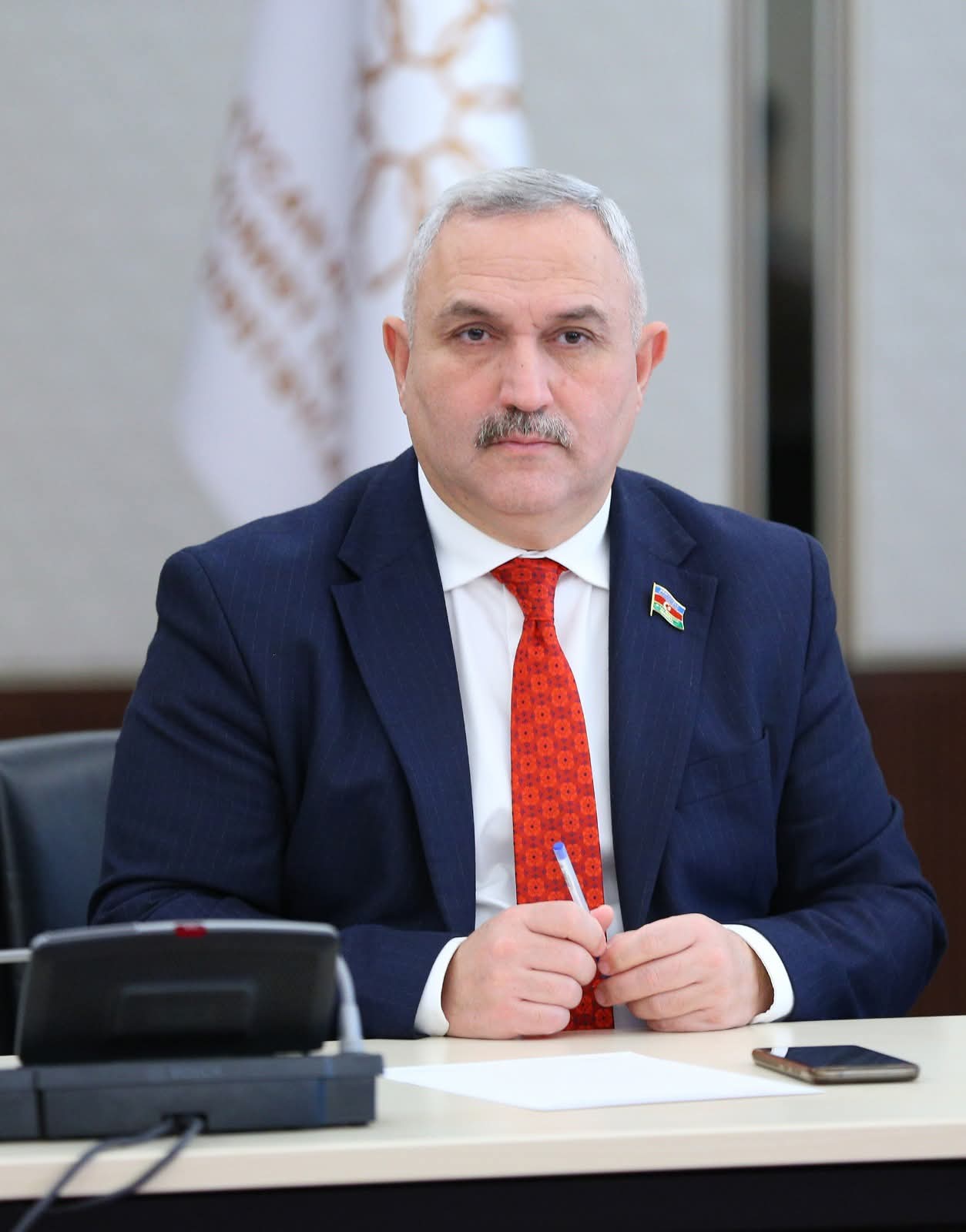
Azer Allahveranov
Member of the Milli Majlis of the Republic of Azerbaijan,
Secretary General of the NGO Platform of the Member States of the Organization of Turkic States