


 English
Almaty city
No one wants to take responsibility for children with disabilities who have been left without parental care. But civil society activists have drawn attention to this issue.
Why was this problem not addressed earlier? Why do orphaned children with disabilities who are provided with housing by the state effectively find themselves left to deal with their difficulties on their own?
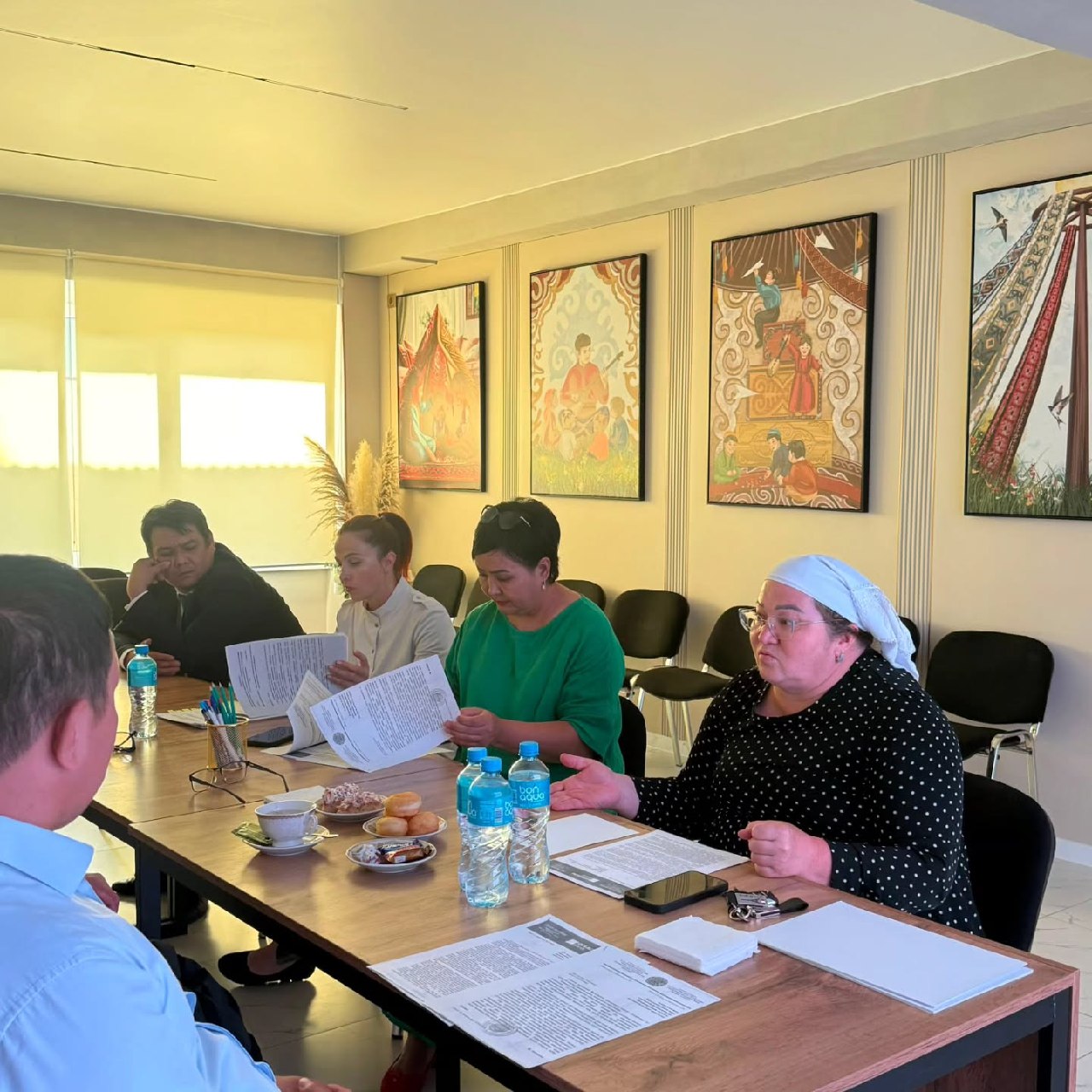
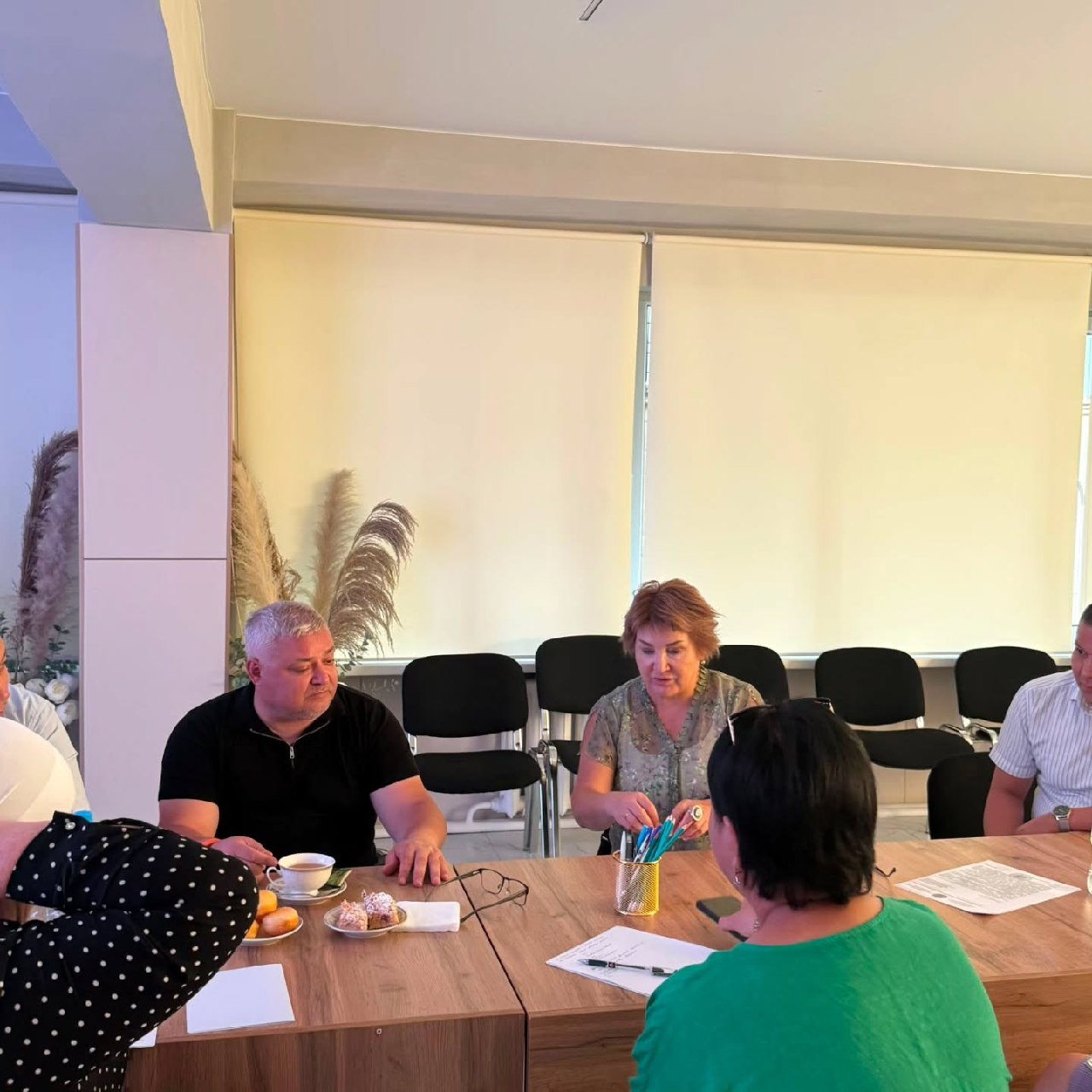
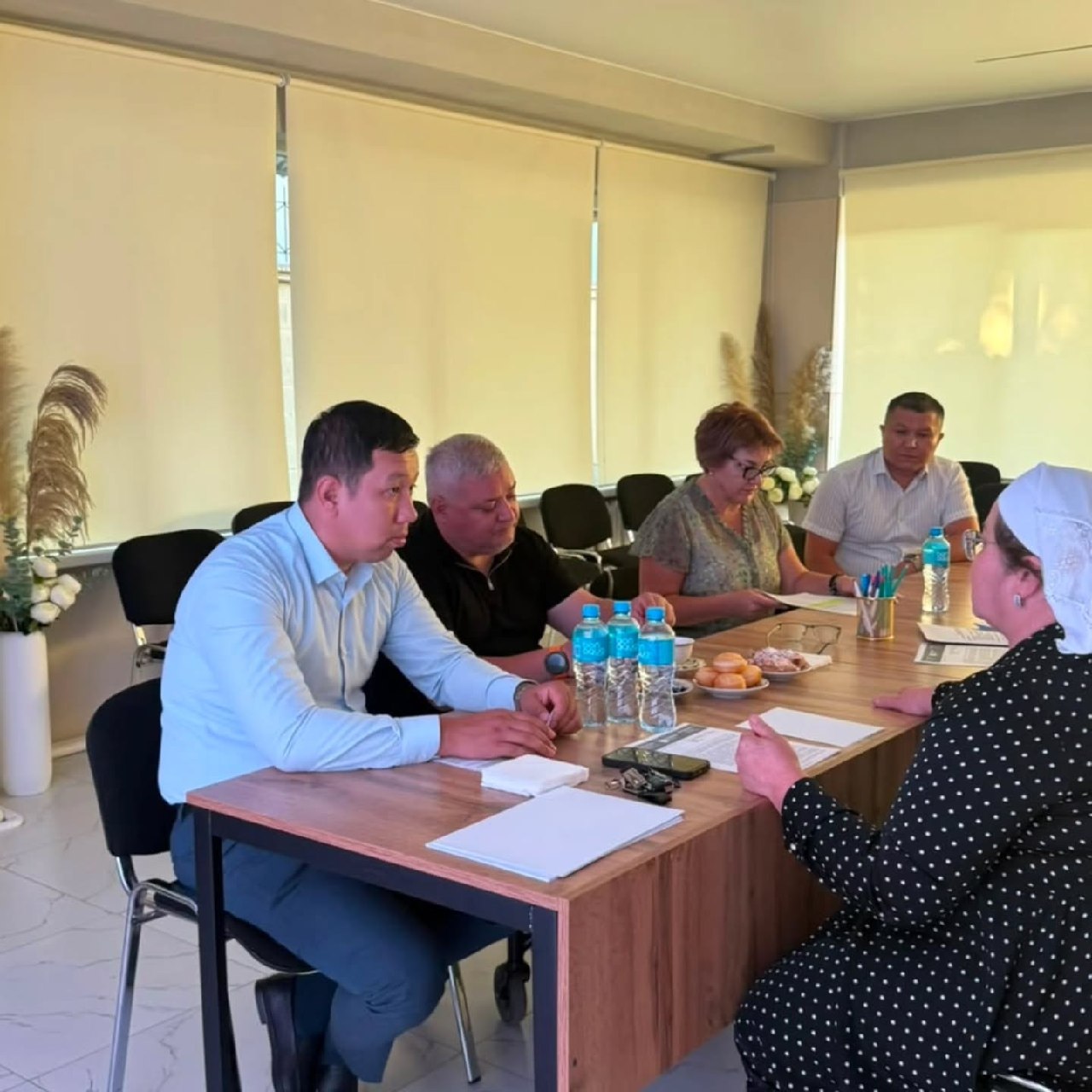
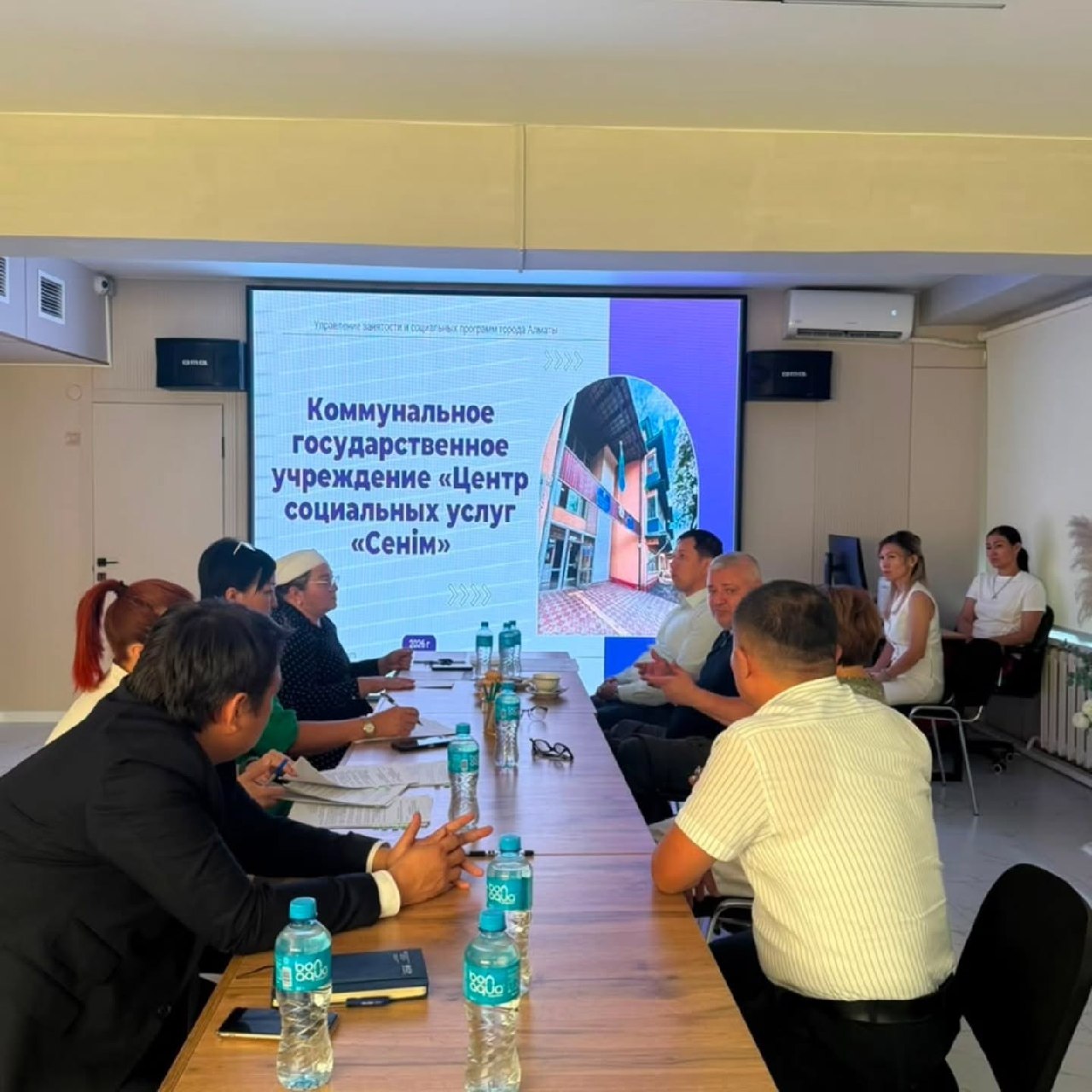
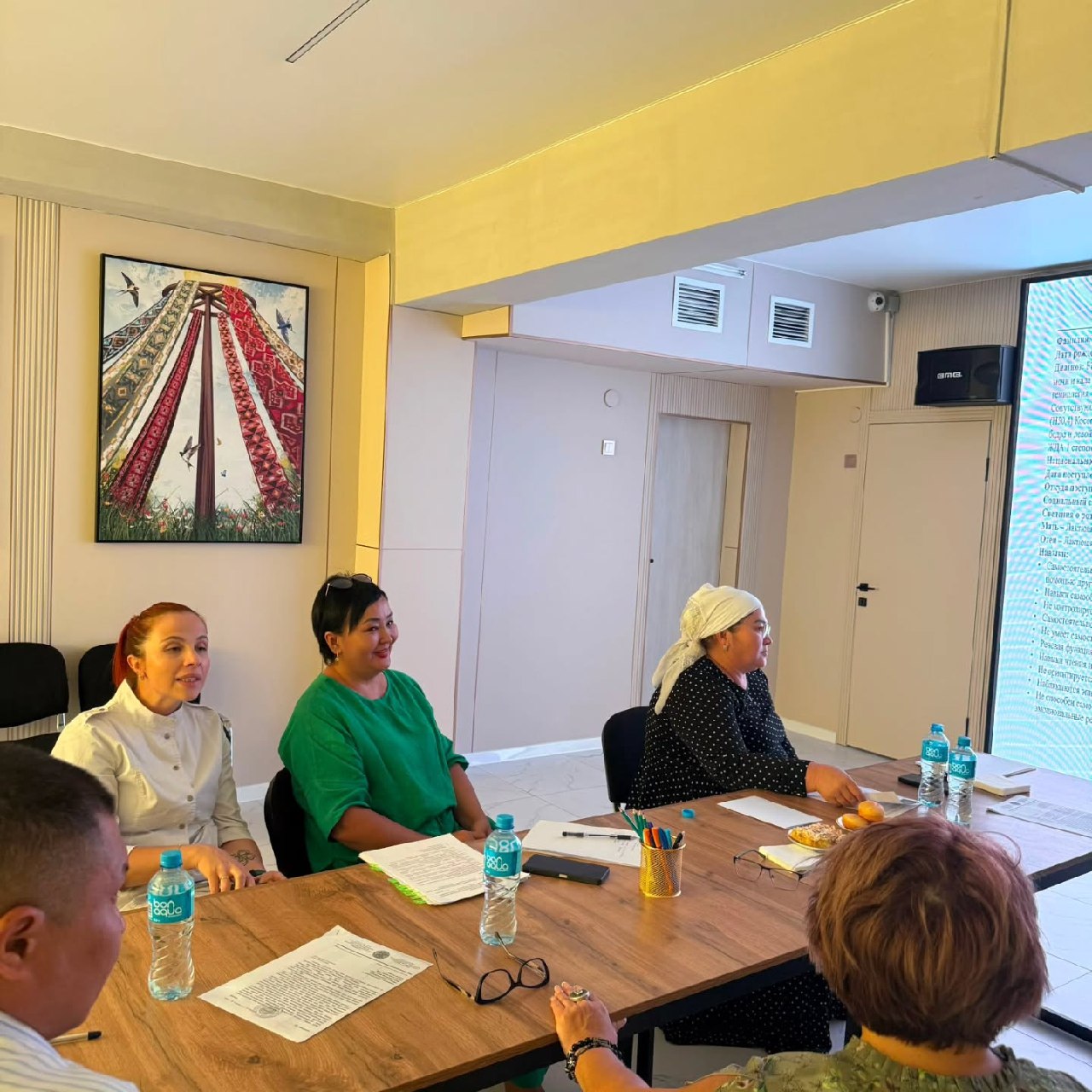
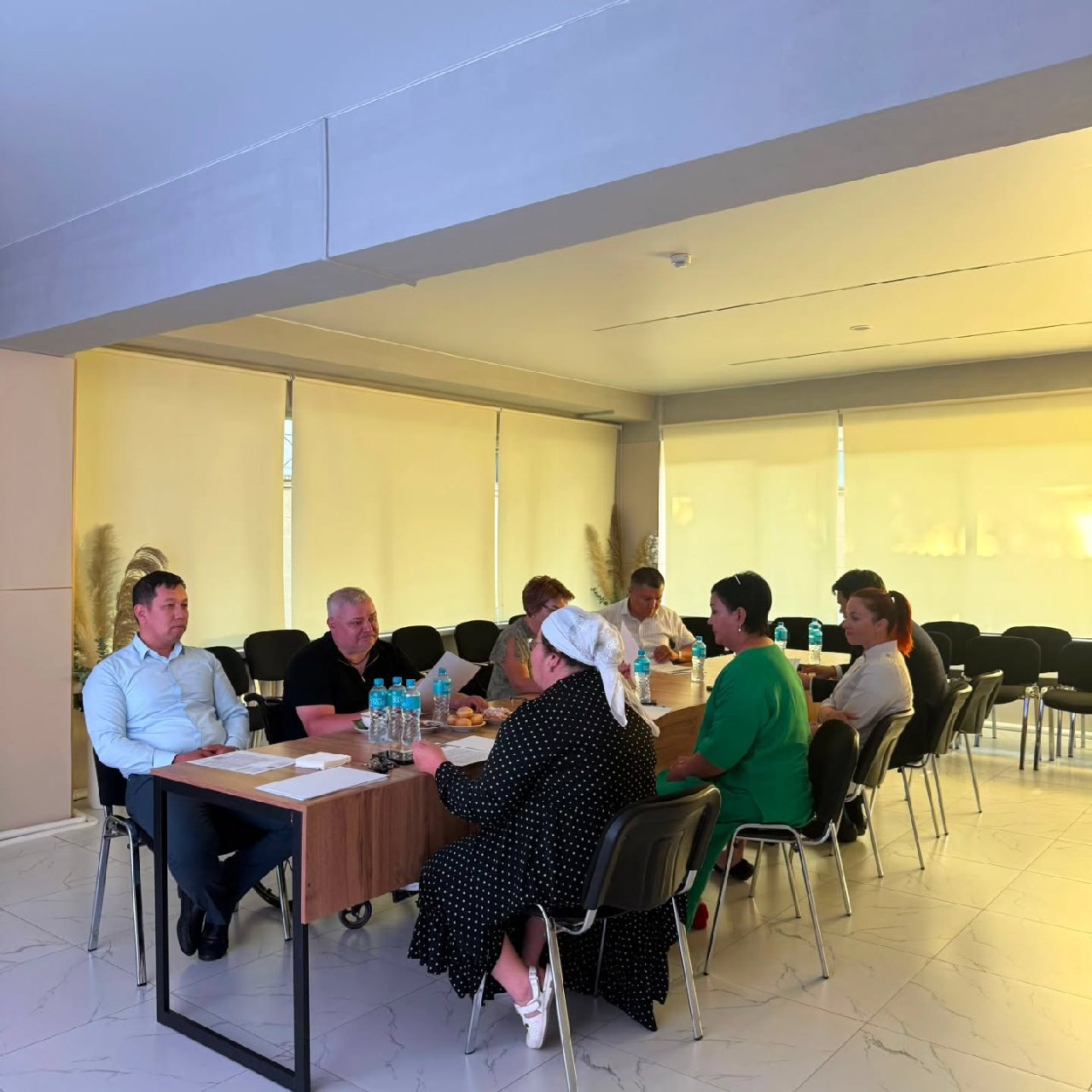
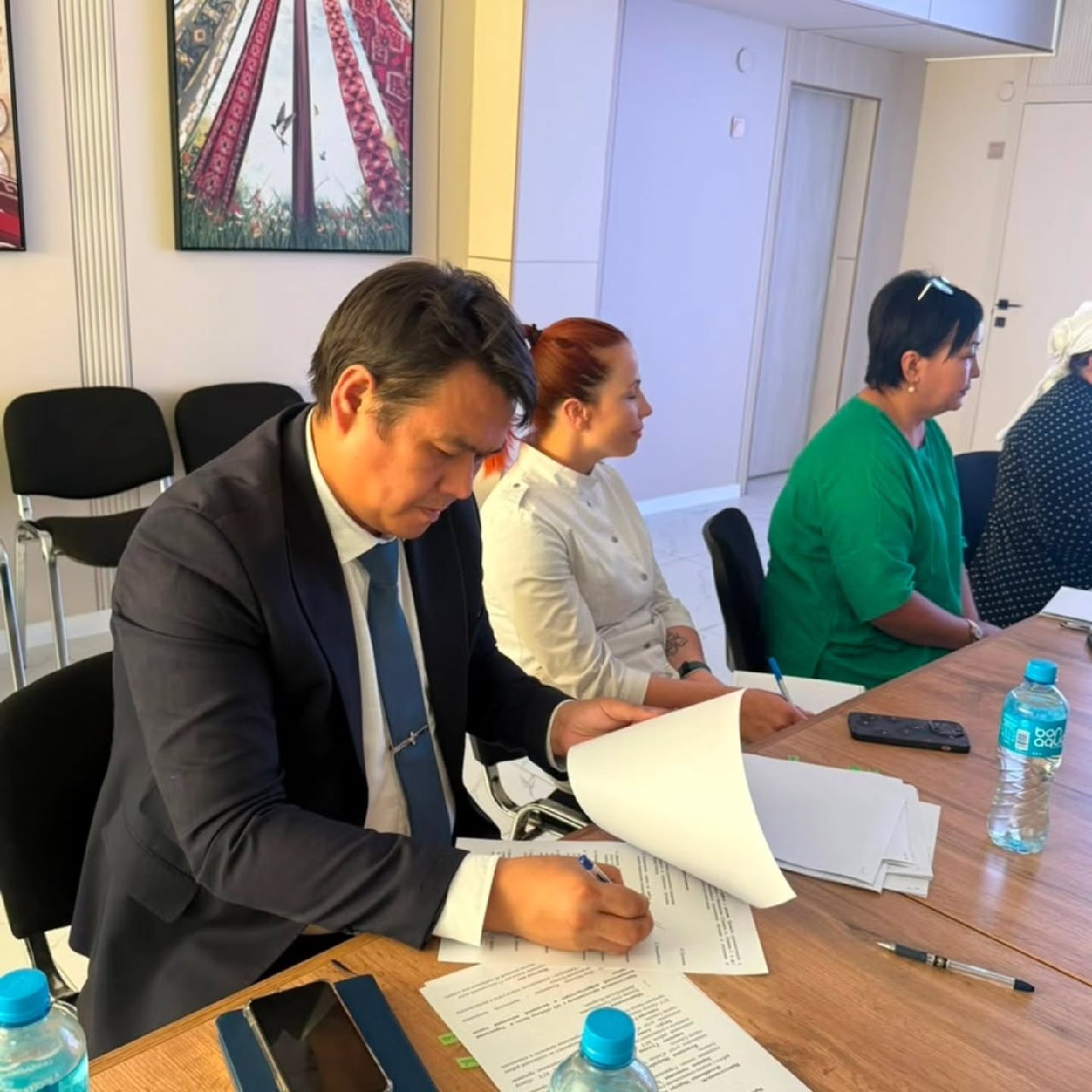
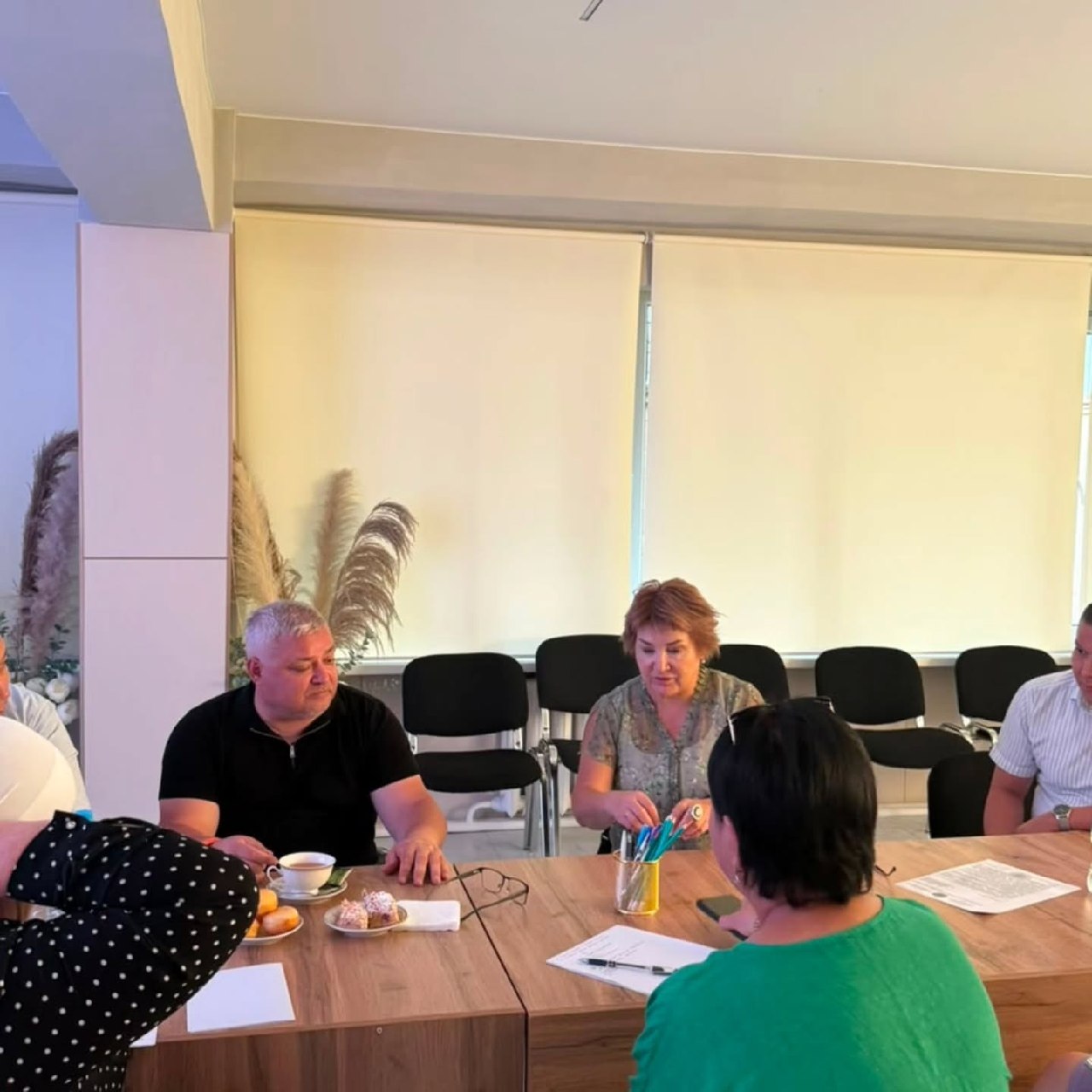
Together with fellow civil society activists, the Department of Employment, and staff of the “Senim” Municipal State Institution, we are working on the issue of a preferential housing queue for these young people. However, it became clear that while housing can be provided, there is no clear mechanism for their further support and protection of their rights.
Who will help a person move into their apartment, learn to live independently, pay utility bills, and protect their property? Who will protect them from fraudsters who could take away and sell their apartment? Where can they acquire a profession if colleges are not ready to accept such young people? How can they find employment without the necessary support?
Even the “Guardians’ Training School” program does not adequately provide for this category of children. Is this not a violation of their fundamental rights?
This autumn alone, 17 people in Almaty will once again face this problem: they have housing, but they cannot live in it fully and safely. And once again, the key question arises — who will take responsibility?
Civil society activists propose creating a working group and invite experienced lawyers, NGO representatives, and experts who can develop specific amendments to legislation. Once the Kurultai begins its work, these proposals should be submitted for consideration.
I am convinced that with active participation from civil society, this situation can be changed not only in Almaty but throughout Kazakhstan. What is needed now is advice, expert assistance, and concrete action. Because postponing the solution for several more years would once again leave the most vulnerable people without protection.